

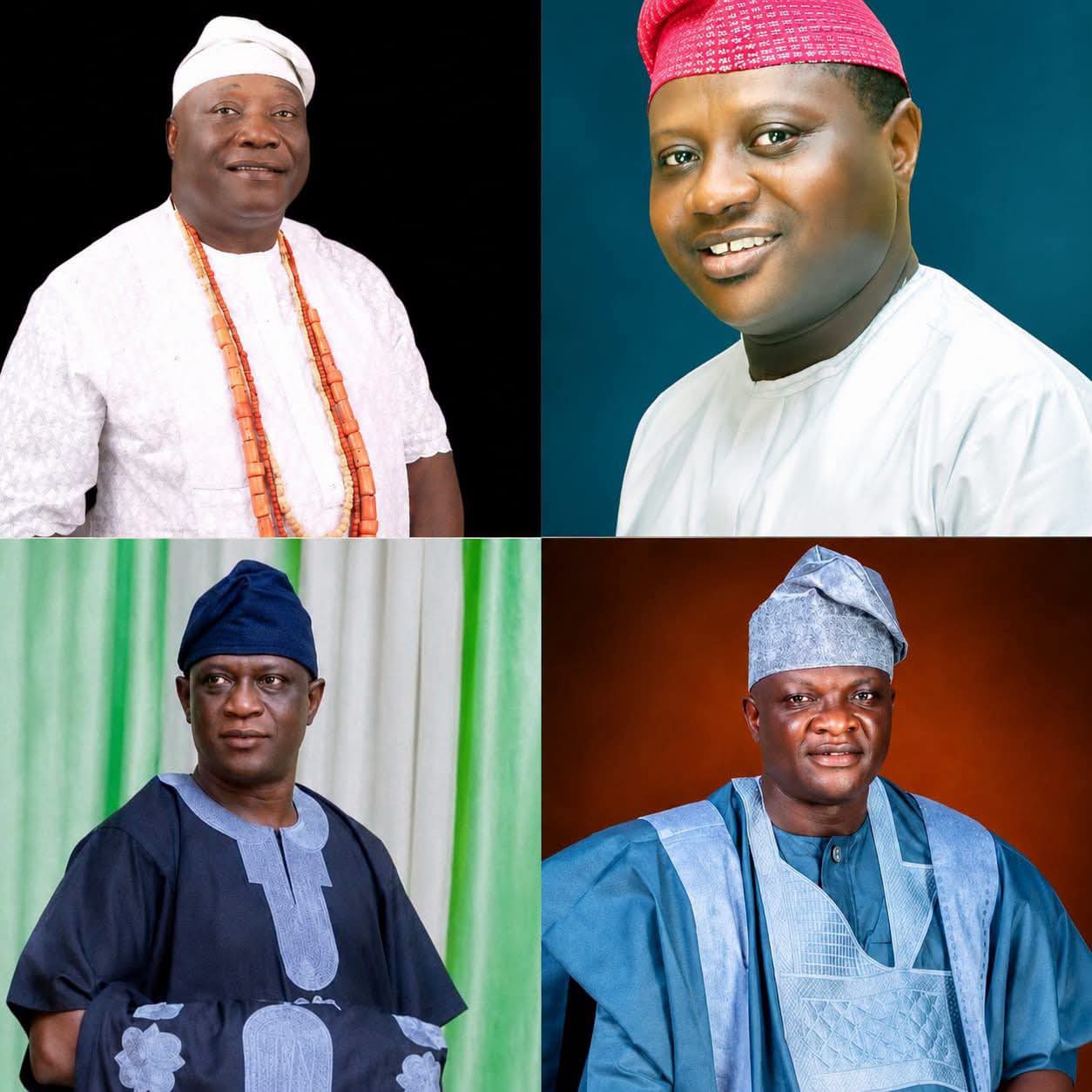
2027 POLITICAL WATCH: Were, Bash, Adebisi, Olatubosun and the Battle for Old Ifedapo 𝐁𝐲 𝐒𝐚𝐥𝐚𝐦 𝐒𝐚𝐡𝐞𝐞𝐝

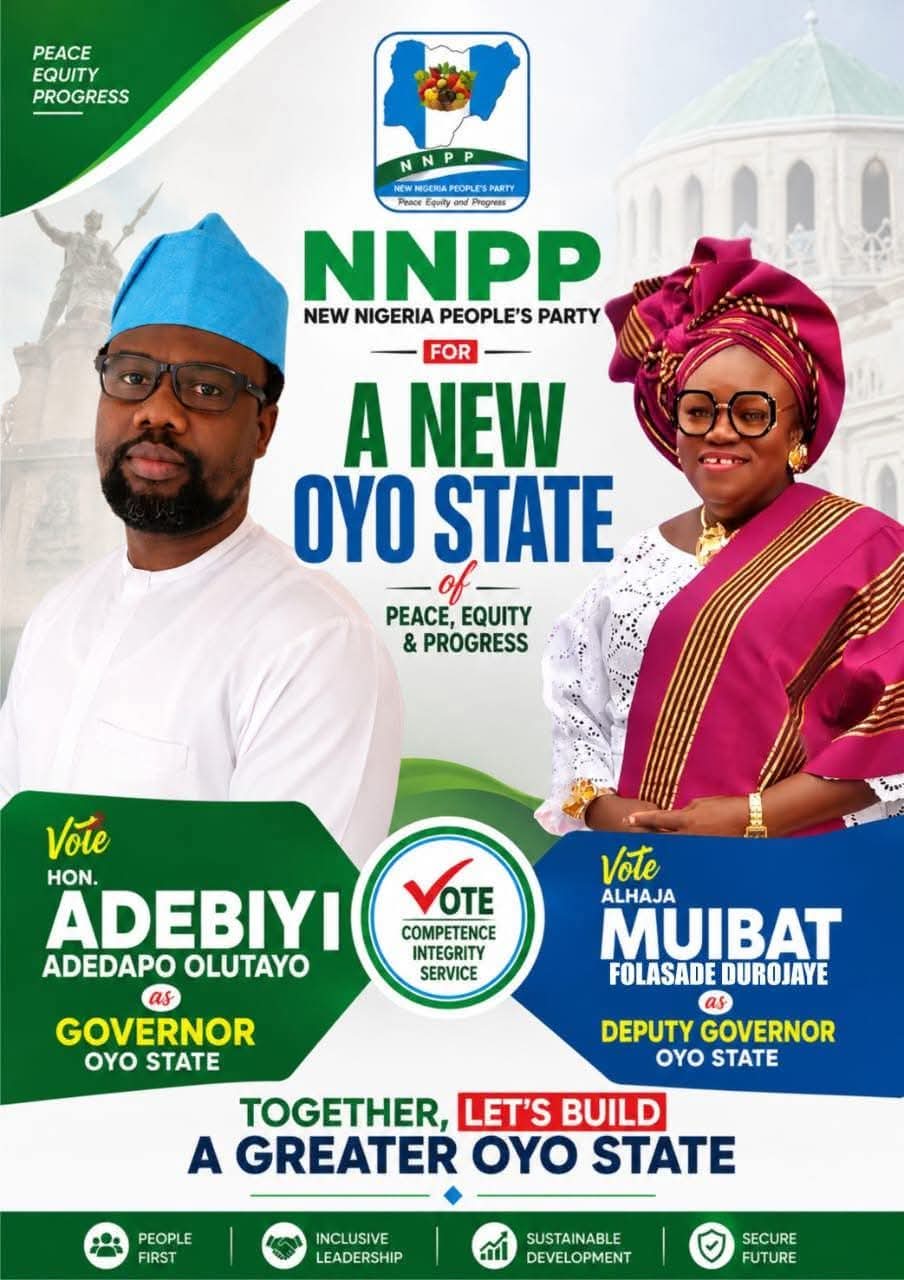
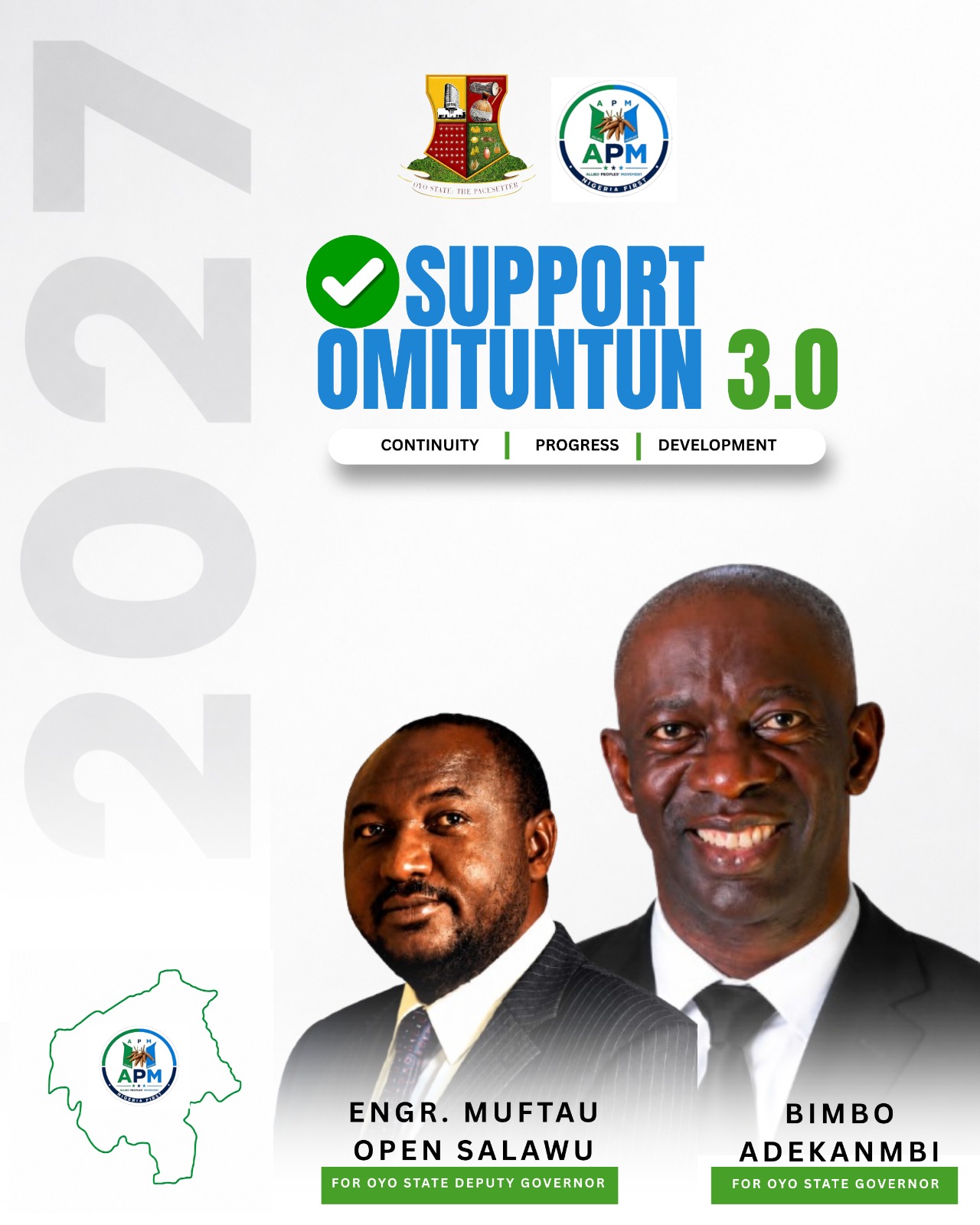
With political activities gathering momentum ahead of the 2027 general elections, the contest for the House of Representatives seat covering Saki West, Saki East and ATISBO Federal Constituency is shaping up as a battle of incumbency, political experience, grassroots networks and competing electoral calculations.
The contest brings together four notable figures with different political pedigrees: the incumbent, Hon. Tajudeen Kareem Abisodun (Were) of the All Progressives Congress (APC); Hon. Bashir Lawal of the African Democratic Congress (ADC); former commissioner in Oyo State, Hon. Niyi Adebisi of the Allied Peoples Movement (APM); and former federal lawmaker, Hon. Olajide Olatubosun of the Accord.
Each enters the race with a distinct political proposition. The serving lawmaker (Were) is seeking a fourth term in the National Assembly after a break in his representation and three electoral victories. Bashir is returning after a strong showing in the previous election. Adebisi is making his first attempt at the federal constituency, while Olatubosun is seeking a comeback after serving previously in the National Assembly.
But beyond the candidates, the election will be determined by a combination of factors, including LGA balancing, party structures, alliances, grassroots mobilisation, voting patterns, campaign resources and the wider political configuration ahead of the 2027 presidential and governorship contests.

𝐓𝐡𝐞 𝐋𝐆𝐀 𝐄𝐪𝐮𝐚𝐭𝐢𝐨𝐧
The old Ifedapo Federal Constituency is politically significant because of its three-LGA structure: Saki West, Saki East and ATISBO.The geographical spread makes it difficult for any candidate to win solely through a strong showing in his home base. The decisive factor could be the ability to form a coalition that spans the three LGAs.This is where the argument over rotation and geographical equity could gain traction.
If voters in Saki East or ATISBO begin to favour the idea of producing the next representative, the incumbent could face a political narrative built around rotation. Conversely, if party loyalty, personality, performance and existing structures remain more influential, the zoning argument may have limited electoral impact. The 2027 contest may therefore become a test of whether voters prioritise geographical balancing or the strength of individual candidates and their political platforms.
Where’s Incumbency: Asset and Liability
Three terms in the National Assembly have given him experience, visibility, political contacts and an established campaign network. The campaign on experience, continuity and familiarity with the National Assembly for juicy posts is an added advantage. His position as 𝘼𝙨𝙞𝙬𝙖𝙟𝙪 𝘼𝙙𝙞𝙣𝙣𝙞 𝙤𝙛 𝙎𝙖𝙠𝙞 also gives him influence within sections of the Muslim community. But incumbency can also become a liability when an election evolves into a referendum on performance.
In the last election, the lawmaker reportedly lost Saki West but was compensated with stronger performances in Saki East and ATISBO LGAs, where his votes helped secure his overall victory. That electoral arithmetic could once again determine his strategy. He would need to regain substantial ground in Saki West while protecting the coalition that delivered victory in Saki East and ATISBO LGAs.For the opposition, however, the objective would be to disrupt that equation by either weakening his traditional support base or preventing the reproduction of the coalition that sustained his previous victory.
𝐓𝐡𝐞 𝐒𝐭𝐚𝐤𝐞𝐡𝐨𝐥𝐝𝐞𝐫 𝐅𝐚𝐜𝐭𝐨𝐫
There is a perception in some political circles that the lawmaker has not sufficiently consolidated relationships with sections of the traditional institution, except for a limited number of traditional council members across the three LGAs.There are also claims among some stakeholders that his political engagement with Christian organisations and community associations has not been as extensive as expected. Whether these perceptions translate into votes remains uncertain. But in a constituency where traditional rulers, religious leaders, community associations, youth organisations, professional groups and local opinion leaders play important roles in political mobilisation, stakeholder management could become an important component of the 2027 campaign. The ability of the incumbent to broaden his coalition and mend strained relationships could therefore become as important as his party structure.
𝐂𝐨𝐧𝐬𝐭𝐢𝐭𝐮𝐞𝐧𝐜𝐲 𝐏𝐫𝐨𝐣𝐞𝐜𝐭𝐬 𝐚𝐧𝐝 𝐭𝐡𝐞 𝐏𝐨𝐥𝐢𝐭𝐢𝐜𝐬 𝐨𝐟 𝐏𝐞𝐫𝐟𝐨𝐫𝐦𝐚𝐧𝐜𝐞
Some constituents and political critics contend that the federal constituency has not witnessed sufficient visible development projects during the lawmaker’s tenure.
They only point to projects such as the ICT centre at MAK Polytechnic, empowerment initiatives, cash interventions, a road project of less than one kilometre around his residential area, and employment opportunities reportedly facilitated for some supporters. The political issue, however, goes beyond whether such interventions exist. The real electoral question is whether constituents perceive them as sufficient, equitable, impactful and geographically representative.
The lawmaker’s supporters could argue that legislative representation should not be measured solely by physical infrastructure, noting that constituency representation also includes federal employment facilitation, empowerment programmes, legislative advocacy, intervention projects and access to government opportunities. Ultimately, the ballot box will determine which narrative resonates more strongly with the electorate.
𝐂𝐨𝐧𝐬𝐭𝐢𝐭𝐮𝐞𝐧𝐜𝐲 𝐏𝐫𝐨𝐣𝐞𝐜𝐭𝐬 𝐚𝐧𝐝 𝐭𝐡𝐞 𝐎𝐬𝐮𝐧 𝐂𝐨𝐦𝐩𝐚𝐫𝐢𝐬𝐨𝐧
The debate over constituency projects could also become a major vulnerability for the incumbent as the 2027 campaign unfolds.Comparisons with a lawmaker from neighbouring Osun State who exposed his colleagues publicly have reportedly heightened expectations among constituents, with some political actors arguing that federal lawmakers under the Tinubu administration are attracting projects worth hundreds of millions of naira (N1b ), with some constituencies reportedly benefiting from projects running into billions.
Some critics have gone further, asking what has happened to funds and interventions associated with constituency development, while unverified allegations have circulated suggesting that resources could have been diverted to private ventures, including warehouse construction, hotel renovation and other less-visible projects. These claims remain allegations and would require documentary evidence to establish.
Politically, however, the issue could become significant if opponents successfully frame the 2027 contest as a referendum on the visibility and impact of Kareem’s representation.
For the incumbent, the challenge will be to present a clear account of projects facilitated during his tenure, their locations, costs and beneficiaries, particularly across Saki West, Saki East and ATISBO.
The emerging question is therefore not simply whether constituency projects exist, but whether constituents consider them sufficiently visible, impactful and equitably distributed across the three LGAs.
𝐓𝐡𝐞 𝐏𝐨𝐥𝐢𝐭𝐢𝐜𝐬 𝐨𝐟 𝐏𝐨𝐥𝐢𝐭𝐢𝐜𝐚𝐥 𝐀𝐢𝐝𝐞𝐬 𝐚𝐧𝐝 𝐕𝐢𝐬𝐢𝐛𝐢𝐥𝐢𝐭𝐲
Another emerging talking point concerns the visibility of individuals operating within the lawmaker’s political structure.
Some critics have questioned the identities and visibility of individuals regarded as statutory legislative or constituency aides, arguing that those expected to serve as the bridge between the lawmaker and constituents are not sufficiently visible across the constituency. Some even argued that they aren’t from Oyo State.
Whether this develops into a major campaign issue will depend on how the incumbent responds to questions surrounding accessibility, constituency engagement and the effectiveness of his political machinery.
There are also conversations about the perceived limited visibility of the lawmaker’s immediate family in constituency politics.
While family visibility is not necessarily an electoral determinant, political opponents could deploy the narrative as part of a broader argument about the representative’s connection with the grassroots.
𝐓𝐡𝐞 𝐋𝐨𝐲𝐚𝐥𝐭𝐲 𝐓𝐞𝐬𝐭
May our loyalty never be tested. Some of the lawmaker’s loyalists have reportedly remained with him through successive political cycles, with the expectation that years of loyalty and political sacrifice would eventually translate into appointments, patronage, opportunities, or other political benefits. Such loyalty could strengthen his campaign if these supporters remain committed to the project. But it could become a vulnerability if a section of the political structure feels politically unrewarded. The question is whether those popularly described in political circles as “suffering and smiling” will remain firmly behind the incumbent or whether dissatisfaction could lead to defections, reduced mobilisation or internal sabotage. In electoral politics, loyalty is often tested when political expectations collide with the realities of patronage and power distribution.
𝐀𝐓𝐈𝐒𝐁𝐎 𝐚𝐧𝐝 𝐒𝐚𝐤𝐢 𝐄𝐚𝐬𝐭 𝐋𝐆𝐀𝐒: 𝐂𝐚𝐧 𝐭𝐡𝐞 𝐂𝐨𝐚𝐥𝐢𝐭𝐢𝐨𝐧 𝐁𝐞 𝐑𝐞𝐛𝐮𝐢𝐥𝐭?
The incumbent’s previous victory was significantly influenced by his performance in ATISBO and Saki East LGAS. That makes the two LGAs strategic battlegrounds in the 2027 contest. Some political actors who reportedly mobilised support and resources for his previous election are believed to have grievances over what they consider inadequate recognition or political rewards after the election. If such sentiments persist, the incumbent could face the challenge of rebuilding the coalition that delivered his previous victory. However, political alliances are rarely permanent. Reconciliation, negotiation, political concessions, and fresh alliances could still bring estranged actors back into the fold before election day.
𝐑𝐞𝐜𝐨𝐧𝐜𝐢𝐥𝐢𝐚𝐭𝐢𝐨𝐧 𝐖𝐢𝐭𝐡 𝐅𝐨𝐫𝐦𝐞𝐫 𝐏𝐫𝐢𝐦𝐚𝐫𝐲 𝐂𝐡𝐚𝐥𝐥𝐞𝐧𝐠𝐞𝐫𝐬
Another significant variable is the question of intra-party reconciliation. The lawmaker emerged from a purported primary process where he outsmarted othersrsrsrsrsrsrsaspirants including Dr. Femi Oyedemi (YY Muslim) , Dr. Ismail Adewoyin, Mr. Tunde Ajibade, Dr. Tunde Olawoore and Alhaji Jimoh Adeniyi (West).How the incumbent manages these internal political actors could have implications for the general election.A successful reconciliation process could transform former aspirants into campaign assets, allowing their structures, personal networks and delegates to be integrated into the broader re-election machinery.Conversely, failure to reconcile with them could create internal cracks, parallel mobilisation structures or protest voting, particularly if any of the former aspirants command significant influence in specific wards or communities. People are closely watching the aftermath of today’s reconciliatory efforts by the National Chairman of the party .In a close election, even a modest erosion of support from former primary opponents could become electorally consequential.
𝐓𝐡𝐞 𝐒𝐞𝐧𝐚𝐭𝐨𝐫𝐢𝐚𝐥 𝐅𝐚𝐜𝐭𝐨𝐫 𝐚𝐧𝐝 𝐭𝐡𝐞 𝐅𝐚𝐦𝐢𝐥𝐲 𝐄𝐪𝐮𝐚𝐭𝐢𝐨𝐧
Another political permutation that could affect the race is the role of Mrs. Hannah Olawunmi Ogunesan, the senatorial candidate of the APC, whose younger brother is reportedly contesting the House of Representatives election on the platform of the Accord . This creates an unusual political dynamic.
If the contest becomes framed as a broader family political alignment, rather than simply a contest between political parties and candidates, it could complicate the incumbent’s electoral calculations.The potential for cross-party family influence could affect voter mobilisation, particularly where personal relationships and local political networks overlap with party loyalty. However, whether voters ultimately treat the matter as a family affair or maintain strict partisan allegiance will be determined by the strength of the respective campaign structures and the narratives presented to the electorate.For the lawmaker, the strategic challenge will be to ensure that party structures, political alliances and grassroots mobilisation remain sufficiently cohesive to prevent such cross-party dynamics from eroding his support.
𝐁𝐚𝐬𝐡𝐢𝐫 𝐋𝐚𝐰𝐚𝐥 𝐚𝐧𝐝 𝐭𝐡𝐞 𝐒𝐭𝐫𝐞𝐧𝐠𝐭𝐡 𝐨𝐟 𝐏𝐫𝐞𝐯𝐢𝐨𝐮𝐬 𝐏𝐞𝐫𝐟𝐨𝐫𝐦𝐚𝐧𝐜𝐞
Bashiru Lawal (Muslim),an indigene of Saki West presents perhaps the most direct electoral challenge to Hon. Kareem Tajudeen Abisodun,the incumbent based on previous performance.As the SDP candidate in the 2023 general election, Bash won Saki West but lost ground in Saki East and ATISBO LGAs. The result demonstrates both his strength and limitation.His ability to win Saki West shows that he has an established constituency in the council. His major challenge is converting that local strength into a three-council coalition.If Bash can retain or increase his Saki West votes as a former council’s chairman of the area while making substantial gains in Saki East and ATISBO LGAs depending on the efforts of his party(ADC) and his supporters, the contest could become considerably tighter.His movement to the ADC introduces another variable. The party’s ability to develop an effective grassroots structure and attract influential political actors will be central to his prospects.Bash biggest challenge may therefore not be personal popularity but translating that popularity into votes across the entire federal constituency.Another pitfall that might face Bashir Lawal is his inability to spend money and play stomach infrastructure politics. Though, he is a grassrooter but his stronghold is only Saki West but needs to push resources to Saki East and ATISBO LGAs to gain ground, if not there would be a repeat of what led to his failure in the last election.
𝐍𝐢𝐲𝐢 𝐀𝐝𝐞𝐛𝐢𝐬𝐢: 𝐓𝐡𝐞 𝐍𝐞𝐰 𝐄𝐧𝐭𝐫𝐚𝐧𝐭
Miyi Adebisi (Christian) who also hails from Saki West represents a different political proposition.As a former commissioner, he brings government experience, administrative exposure and established political networks, but this is his first bid for the House of Representatives seat.His advantage is the absence of a previous electoral defeat in the constituency. His challenge, however, is converting political influence into a strong grassroots electoral structure across wards and communities.The APM platform could work in his favour if it builds a broad coalition around his candidacy. If Governor Seyi Makinde remains the party’s presidential candidate on the ballot, Adebisi could benefit from a coattail effect, while the acceptance of APM senatorial candidate Shina Peller could also generate down-ballot support.However, any perception arising from allegations concerning the sale of Saki West LG property land could become a campaign vulnerability and must be politically addressed.His longstanding engagement with both Christian and Muslim stakeholders, including his role in securing land for Christian and Muslim housing projects at GRA Estate, opposite MAK Poly could strengthen his interfaith political appeal.
𝐎𝐥𝐚𝐭𝐮𝐛𝐨𝐬𝐮𝐧’𝐬 𝐀𝐭𝐭𝐞𝐦𝐩𝐭𝐞𝐝 𝐂𝐨𝐦𝐞𝐛𝐚𝐜𝐤
Olatubosun represents the most experienced challenger in the race, having previously served as a member of the House of Representatives. Contesting on the platform of the Accord , he is seeking a return to the National Assembly and another opportunity to influence legislative representation in the constituency.His major challenge, however, is his electoral performance in the last election, where he finished fourth under the platform of Labor Party (LP) . That result means he must rebuild his political structure, reconnect with grassroots voters and demonstrate that he still possesses the electoral strength to compete for the seat.
Despite this setback, Olatubosun has a record in office that could strengthen his campaign. He is credited by his supporters with facilitating the establishment of the federal radio station, Asabari FM, as well as supporting road infrastructure projects that improved access and movement within parts of the constituency. These achievements provide him with a basis to campaign on experience, performance and legislative competence.However, his comeback bid also faces a number of political pitfalls.
One is the perception of family concentration in elective positions. With his elder sister also reportedly seeking the senatorial seat, some voters may question the political optics of two members of the same family simultaneously seeking representation at two prominent levels of the National Assembly. Although such a situation is not necessarily an electoral disadvantage in itself, it could become a talking point for opponents and voters who favour broader political inclusion. Another challenge is the perception among some constituents that Olatubosun has been distant from the constituency and its people since he left office which may be damaging perception . Critics may seek to frame his return as politically motivated, arguing that he is attempting to reconnect with the electorate only because he wants to reclaim the House of Representatives seat. Whether this perception gains traction could depend largely on his ability to demonstrate sustained engagement with the constituency beyond the election season.His party affiliation also presents a structural challenge. The Accord has a relatively limited political footprint in the constituency, with much of its current visibility associated with its governorship candidate, Oriyomi Hamzat. The absence of a strong presidential or broader electoral structure could limit the extent to which Olatubosun benefits from a wider party mobilisation machinery.Political memory, therefore, could work both for and against him. There are also allegations attributed to his former personal Assistant (home) that he did not appoint any of his constituents as statutory legislative aides during his previous tenure.
𝐄𝐝𝐢𝐭𝐨𝐫𝐢𝐚𝐥 𝐍𝐨𝐭𝐞: This is an independent political analysis based on public opinions, political developments and electoral calculations. The views expressed do not represent the personal position or endorsement of the writer. Unverified claims remain allegations. Further updates on the candidates and their parties will be reported as events unfold.
...For the latest news update, Subscribe to our Whatsapp Channel (Click Here) and join our Telegram Update Group (Click Here)

You can also advertise your Product and Services on our page for more patronage
Contact us today by sending your Stories, Articles, Events, and Eyewitness Reports for publications as well as products and services for advertisement to westerndailies2018@gmail.com or WhatsApp (+2348058448531) for more information
